※本ページはプロモーションが含まれます
Disclosure: This post contains affiliate links. If you buy through them, we may earn a commission at no additional cost to you. Learn more.
Short version: buy sealed booster boxes and starter decks from an established retailer or import shop with a real return policy, and for loose singles, stick to platforms with buyer protection (TCGplayer’s counterfeit claims process, eBay’s Authenticity Guarantee) rather than random marketplace or social-media listings — especially for anything priced noticeably below the going rate. Counterfeit trading cards aren’t a hypothetical problem in 2026; “super fake” printing has gotten good enough to pass a casual glance, and Dragon Ball Super Card Game Fusion World, now BANDAI’s biggest Dragon Ball TCG line, is popular enough to be a counterfeiting target just like Pokémon and One Piece.
This guide covers what actually makes a listing risky, how to physically check a card you already have, and which channels carry real buyer protection if something goes wrong.
- Why This Matters More in 2026 Than It Used To
- Red Flags to Check Before You Click Buy
- How to Physically Spot a Fake Fusion World Card
- Sealed Product vs. Loose Singles: Which Is Actually Safer to Buy Online
- Where to Actually Buy: Channel-by-Channel
- Frequently Asked Questions
- Takeaway
- Related Articles
- More Trading Card Game Guides
Why This Matters More in 2026 Than It Used To
Card counterfeiting used to be an easy problem to spot — wrong card stock, blurry art, off colors. That’s changed. Community-run counterfeit detection guides for Pokémon and other TCGs now routinely note that fakes reproduce card weight, stock, and even security markings closely enough that no single test catches them; the current recommendation is to run at least three separate checks and compare against a known-genuine card. Fusion World hasn’t seen the volume of counterfeit reports that Pokémon or One Piece have (it’s a younger, smaller-volume game), but it uses the same general BANDAI card stock and printing pipeline as One Piece Card Game, which has documented counterfeit issues — so the same detection methods largely transfer, and there’s no reason to assume Fusion World is immune just because it’s newer.
The bigger practical risk for most Fusion World buyers in 2026 isn’t actually a flawless forgery fooling an expert — it’s a rushed impulse buy on a marketplace listing with stock photos, a brand-new seller account, and a price that’s 40% under everyone else’s for a chase Special Rare (SPR) or Secret Rare (SCR).
Red Flags to Check Before You Click Buy
- Price that’s meaningfully below the market. Every serious buyer and seller can see the same live pricing on TCGplayer or eBay sold listings. A deep discount on a liquid, in-demand card isn’t a deal you got lucky on — it’s usually the entire sales pitch of a counterfeit or bait-and-switch listing.
- Stock photos instead of the actual item. Reputable single-card sellers photograph the exact card you’re buying, including any centering or edge wear. A generic “representative image” on a $50+ single is a reason to ask for real photos before paying.
- New or unrated seller accounts selling only chase cards. A seller with zero feedback whose entire storefront is a stack of expensive SPRs and SCRs from the newest set is a classic pattern — not proof of anything by itself, but worth extra scrutiny.
- No stated return or authenticity policy. If a marketplace listing (or a DM sale on Discord/Reddit/Facebook groups) has no return window and no recourse if the card turns out fake, you’re accepting all the risk.
- Off-platform payment requests. Sellers asking for Venmo/Zelle/crypto outside a marketplace’s built-in payment system lose you access to that platform’s buyer protection entirely — a huge red flag regardless of how the card looks.
How to Physically Spot a Fake Fusion World Card
Since Fusion World shares BANDAI’s general printing standards with sibling games like One Piece Card Game, the same checks apply reasonably well:
- Card back color. Genuine Fusion World card backs should look rich and consistent. A noticeably purple-tinted or muddy/dark back compared to a known-real card is a warning sign.
- Weight and stiffness. Real cards have a specific, consistent card stock feel. Fakes often feel slightly thinner, flimsier, or oddly glossy compared to an authentic card from the same set.
- Print sharpness. Genuine artwork and text print razor-sharp even at high rarity. Fuzzy edges on small text (Skill text especially) usually means low-resolution counterfeit printing.
- Foil/holo behavior. Legitimate foil on SR/SPR cards is controlled and subtle. Foil that looks overly shiny, glossy, or “cheap plastic” under light is a common counterfeit tell.
- Compare side-by-side with a verified card. This is the single most reliable check. If you don’t own a known-genuine copy, most local game stores that carry Fusion World will let you compare a suspicious card against verified stock — worth the trip for anything expensive.
None of these checks are foolproof on their own — that’s exactly why the “run three tests, not one” approach that Pokémon and Magic authentication communities use is the safer mindset to bring to Dragon Ball singles too.
Sealed Product vs. Loose Singles: Which Is Actually Safer to Buy Online
Sealed booster boxes and starter decks are, in practice, the lower-risk purchase. Counterfeiting an entire sealed box (correct shrink wrap, correct pack count, correct random insert distribution) is far more effort than printing a handful of fake chase singles, so most counterfeit activity in this hobby targets loose high-value singles, not sealed boxes from known retailers. That’s a meaningful reason to lean toward sealed product, especially as a newer buyer who isn’t yet confident spotting a fake card by eye.
The tradeoff: sealed boxes are a bigger up-front spend than a single card, and — if you’re buying Japanese-print product shipped from Japan — you’re getting Japanese-language card text, not English. That’s a real ownership tradeoff, not a scam risk, but it catches new buyers off guard, so factor it in before checking out.
A few real, currently-stocked examples of sealed Fusion World product from Discovery Japan Mall, which ships genuine Japanese-print BANDAI product internationally and is a reasonable example of the “known retailer, factory-sealed box” side of this equation:
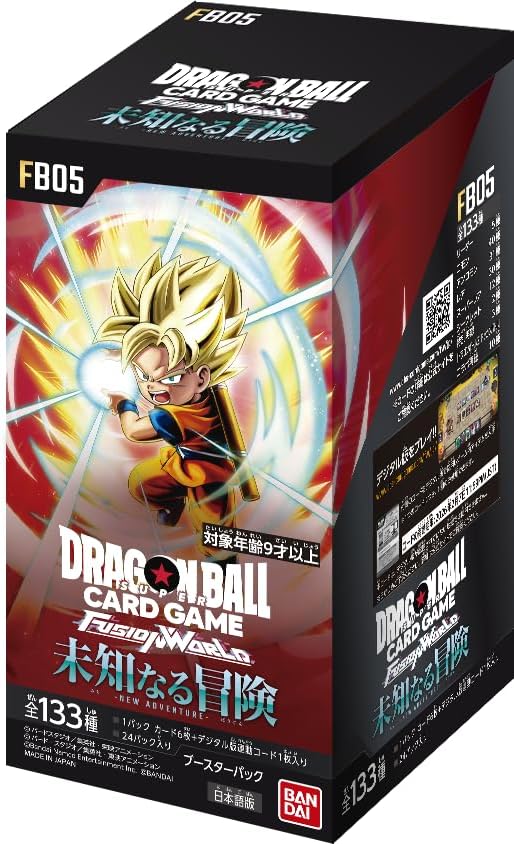
- Booster Pack Unknown Adventure (FB05) Booster Box — a mid-era set (released January 2025 in Japan) that’s a reasonable, moderately priced way to crack sealed packs rather than buy loose singles from an unknown seller.

- Booster Pack Looming Threat (FB06) Booster Box — released May 2025; still tournament-legal as of August 2026 since Fusion World doesn’t rotate a Standard format, though check the current banned/restricted list before assuming any specific FB06 card is still competitively relevant.

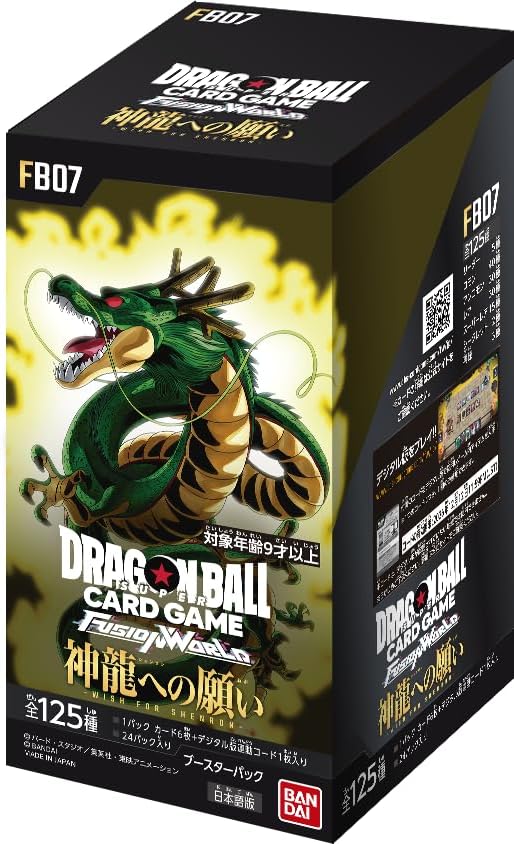
- Booster Pack Wish for Shenron (FB07) Booster Box — released September 2025, a newer option in this mall’s current inventory.
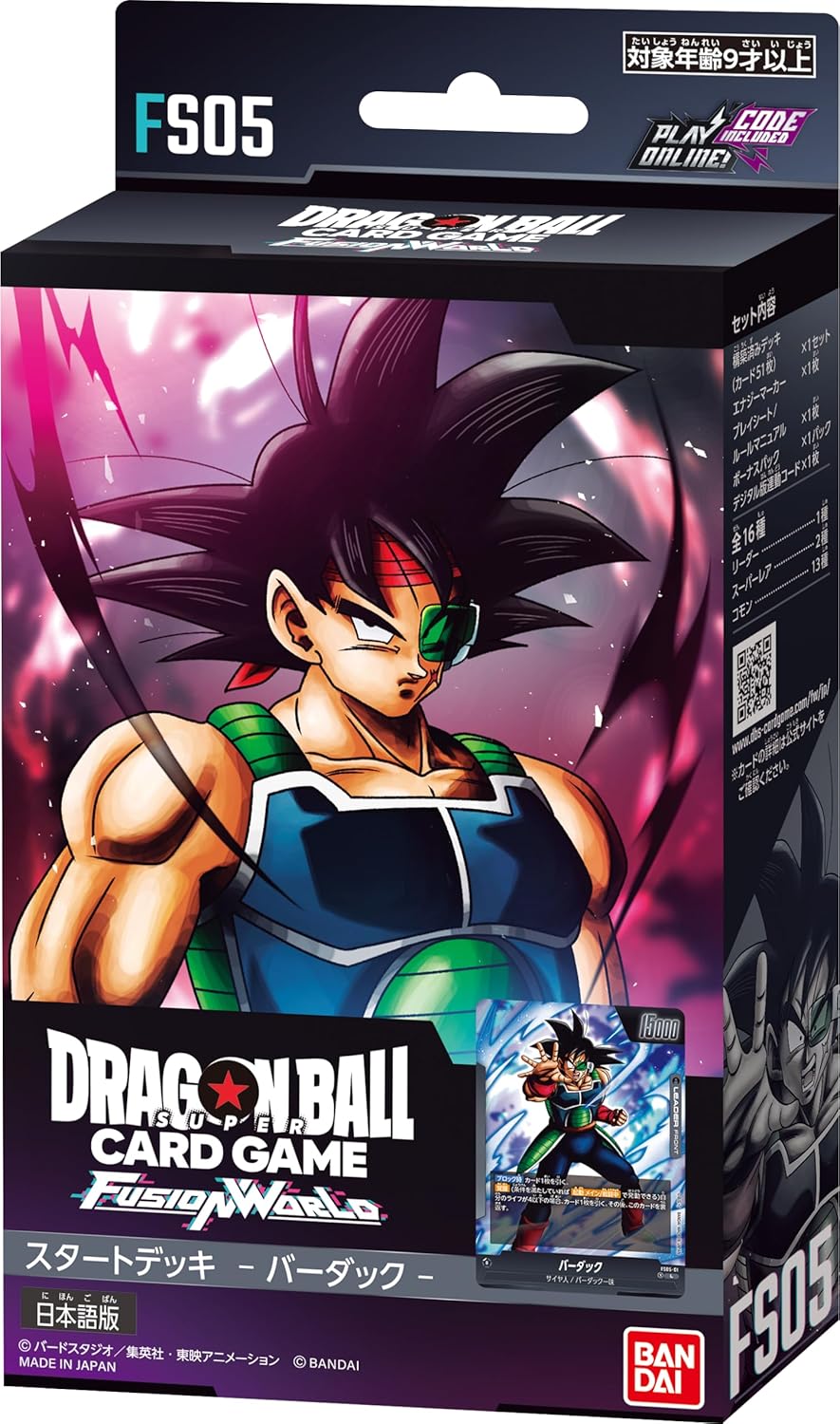
- Start Deck Bardock (FS05) — the lowest-cost sealed entry point if you’d rather test the waters with a full preconstructed deck than gamble on packs.

Caveat that applies to all of the above: this is Japanese-print product, shipping originates from Japan (so build in transit time and check your country’s import/customs rules), and this mall’s Fusion World stock currently tops out around FB08 — it doesn’t yet carry the newest FB09 “Dual Evolution” or FB10 “Cross Force” sets as of this writing, so buy elsewhere if you specifically need the newest cards in sealed form.
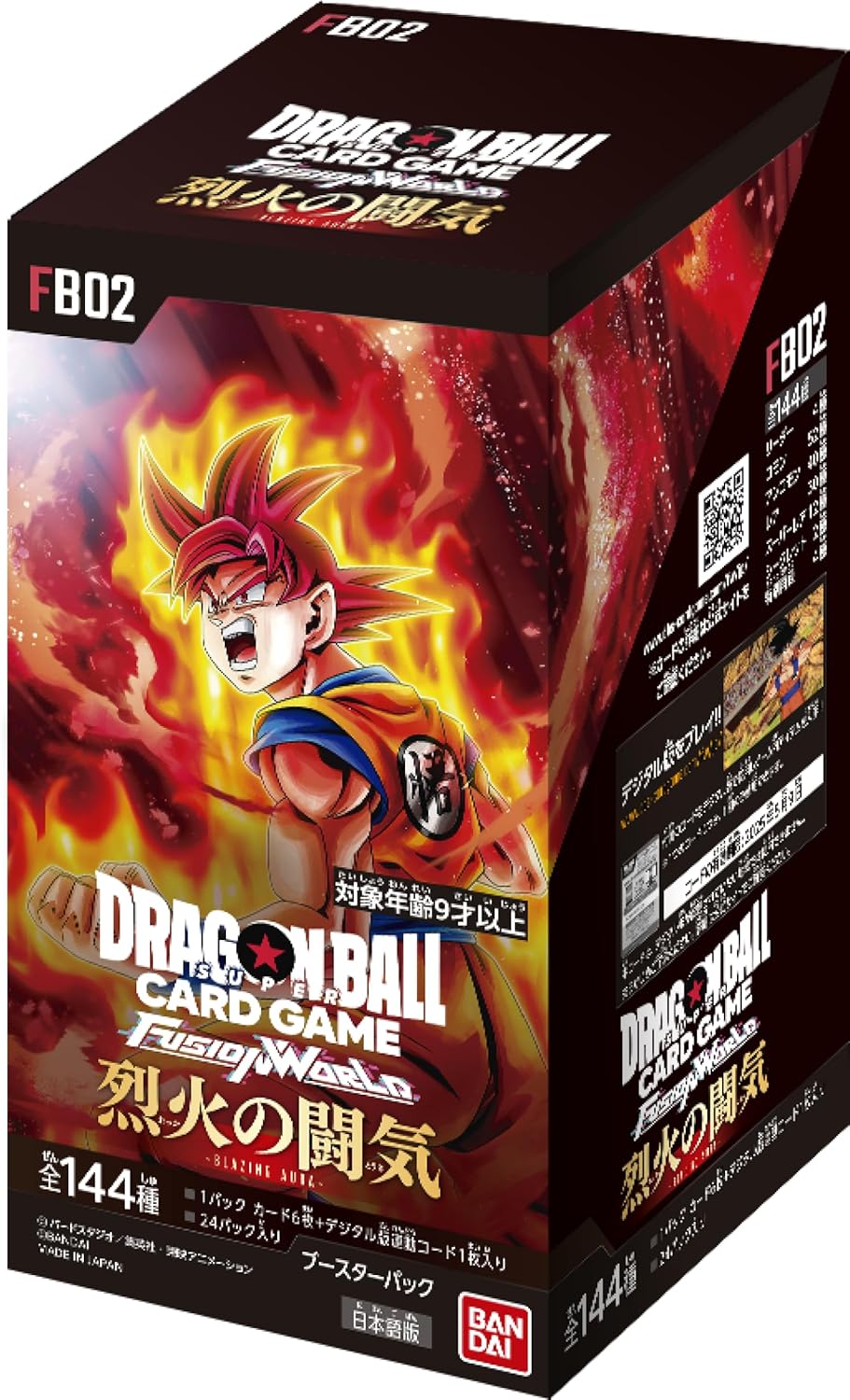
If you want a genuinely rare or expensive collector piece, know that the manga-reprint “Manga Booster” sets (SB01, SB02) run noticeably higher than mainline booster boxes — worth budgeting for deliberately rather than being surprised at checkout, and a good example of why comparing price across at least two retailers before buying is worth the extra five minutes.
Where to Actually Buy: Channel-by-Channel
| Channel | Best For | Buyer Protection | Real Downside |
|---|---|---|---|
| TCGplayer marketplace | English singles + sealed | Counterfeit claims process, live market pricing for comparison | Third-party sellers vary in reliability; still read seller ratings |
| eBay (Authenticity Guarantee items) | Higher-value singles ($200+) | PSA physically inspects eligible cards before shipping; backed by eBay Money Back Guarantee | Guarantee threshold is $200+ in the US — cheaper singles aren’t covered by this program |
| Local game store | Sealed product, singles you can inspect in person | You can physically check the card before paying | Selection limited to what they stock/allocate |
| Reputable import mall (e.g., Discovery Japan Mall) | Sealed Japanese-print boxes/decks | Established storefront, factory-sealed product | Japanese card text only; shipping from Japan takes longer than domestic |
| Random marketplace/social media DMs | Nothing, really | None built in | Highest counterfeit and scam risk in this whole list |
Frequently Asked Questions
What should I do if I think I received a fake Dragon Ball Super Card Game card?
Don’t try to resell it — stop using it in play, and go back through whatever purchase channel you used. TCGplayer and eBay both have counterfeit-specific claims processes distinct from ordinary returns; PayPal and most credit cards also offer buyer protection for items “not as described” if you paid that way. Keep your original listing screenshots and photos of the card as evidence.
Does getting a card graded (PSA, BGS) protect me from counterfeits?
Grading companies do check authenticity as part of the process and will refuse to grade or will flag a card they believe is fake, which is a useful extra layer — but it’s not foolproof, and there have been cases across the hobby of fake cards or fake slabs slipping through. Buying a raw card specifically because you plan to send it in for grading isn’t a substitute for checking it yourself first.
Is buying Japanese-print sealed Fusion World product from an import shop actually safe?
Generally yes, if the shop is an established storefront rather than an anonymous marketplace listing — a factory-sealed box is much harder to counterfeit convincingly than a handful of loose singles. Just go in knowing you’re getting Japanese card text, not English, and that shipping from Japan takes longer than a domestic order.
Are all cheap Fusion World listings scams?
No — genuinely lower prices exist from sellers clearing older stock, running sales, or just pricing competitively. The red flag isn’t “cheap,” it’s “cheap and unverifiable”: no seller history, no real photos, no return policy, and a price meaningfully below every other listing for the same specific card and condition.
Do rotation or banlist changes affect what’s safe to buy for tournament play?
That’s a legality question, not a counterfeit one, but it matters for the same “know what you’re buying” mindset. Fusion World doesn’t rotate a Standard format — every mainline set from FB01 onward stays tournament-legal — but BANDAI updates a banned/restricted list periodically, so a genuine, authentic card can still be unplayable at a sanctioned event if it’s since been restricted.
Takeaway
The counterfeit risk in Dragon Ball Super Card Game Fusion World tracks the game’s own growth: it’s a real and rising concern, not a five-alarm crisis on the scale of Pokémon, but treating every purchase the same way — check the seller, compare the price against the live market, prefer sealed product or protected marketplaces for anything valuable, and physically inspect cards against a known-genuine copy when in doubt — will keep you out of the vast majority of trouble. None of this is financial advice; card prices for chase Fusion World singles move with every new set and banlist update, so verify current pricing before you buy or sell rather than relying on a number you saw months ago.
If you’re brand new to the game itself rather than just buying safely, our Dragon Ball Fusion World Beginner’s Guide covers the rules, deck colors, and which starter deck to grab first.
Related Articles
- How to Sell Your Dragon Ball TCG Collection Safely
- Dragon Ball Super Card Game: Original vs. Fusion World
- Dragon Ball Fusion World Card Value Myths, Debunked
More Trading Card Game Guides
- How to Buy One Piece Card Game Safely Online (2026) (One Piece Card Game)
- How to Buy Pokémon Cards Online Safely (2026 Guide) (Pokémon TCG)
Comments