※本ページはプロモーションが含まれます
Disclosure: This post contains affiliate links. If you buy through them, we may earn a commission at no additional cost to you. Learn more.
Short answer up front: foil doesn’t automatically mean rare, older doesn’t automatically mean pricier, and a reprint doesn’t automatically tank a card’s value. Every one of those “rules of thumb” gets repeated constantly in Dragon Ball Super Card Game Discord servers and Facebook groups, and every one of them breaks down the moment you check it against actual set data. As someone who’s been buying FB boxes since Awakened Pulse (FB01) launched in February 2024 and still plays the legacy Masters format on the side, I’ve watched new collectors overpay — and sell for too little — because of these exact myths. Let’s go through them one at a time with real set codes, real prices, and real dates attached.
- Myth 1: “Every foil card is automatically rare and valuable”
- Myth 2: “Older cards are always worth more than new ones”
- Myth 3: “A reprint automatically kills a card’s value”
- Myth 4: “Limited/anniversary product always appreciates because the print run is small”
- Fusion World Sets at a Glance: Box Prices vs. the Myths
- Where the Meta Sits Right Now (and Why It Matters for Value)
- FAQ
- Takeaway
- Related Articles
- More Trading Card Game Guides
Myth 1: “Every foil card is automatically rare and valuable”
This is the most common misconception, and Fusion World’s own product lineup disproves it directly. In the normal FB-numbered booster sets (FB01 through FB10), cards R (Rare) and above get hologram/foil treatment, while C (Common) and UC (Uncommon) are typically flat-printed — so seeing foil on an R, SR, or SPR does tell you something about print frequency.
But Bandai also sells Manga Booster sets (SB01, SB02) where, according to the product’s own listing, “all cards in this product are Silver Foil or higher shiny cards” — meaning even the commons in that specific product are foil. If foil alone equaled rarity, every card in a Manga Booster box would be a chase card, and they obviously aren’t; most are functionally the same commons and uncommons you’d get non-foil in a regular FB set, just with a shinier finish because Bandai printed the entire product that way. The actual rarity/value driver in Fusion World is the combination of pull rate, alt-art status (SPR vs. plain SR), and competitive relevance — not “does it catch the light.”
The catch: because SB01/SB02 guarantee foils, they cost noticeably more per box than a standard numbered set (SB01 runs roughly ¥50,691, versus ¥9,895-¥12,375 for a typical FB-series box) even though the card pool inside is mostly reprints of existing playables. You’re paying a premium for finish and nostalgia art, not for a better shot at a genuinely rare pull.
Myth 2: “Older cards are always worth more than new ones”
This one falls apart fast once you compare across eras. The original Dragon Ball Super Card Game launched in 2017 and ran until it was rebranded “Masters” when Fusion World took over as the active competitive format in 2024. You’d expect a game with a seven-plus-year head start to command higher prices across the board — but bulk lots of 1,000 random commons and uncommons from that era sell for pocket change on sites like BBToyStore, because most of that print run simply wasn’t scarce, regardless of age.
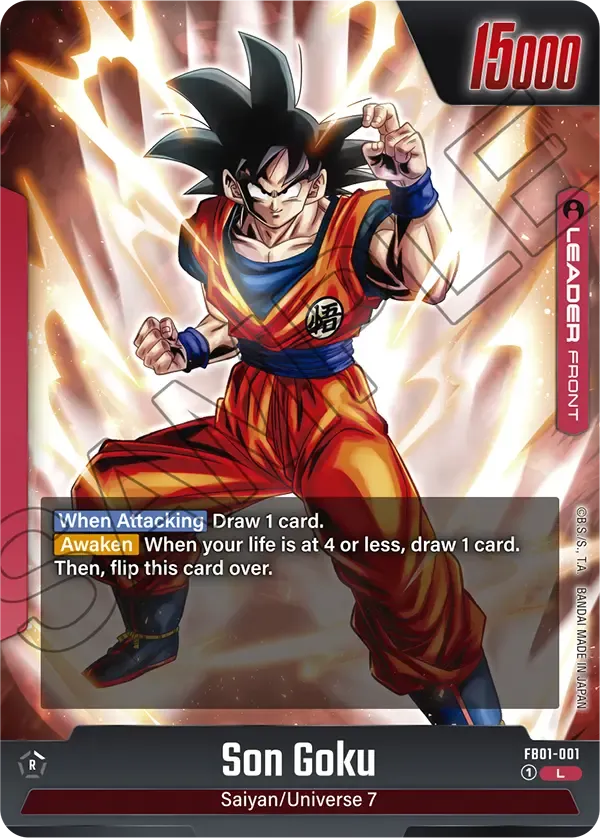
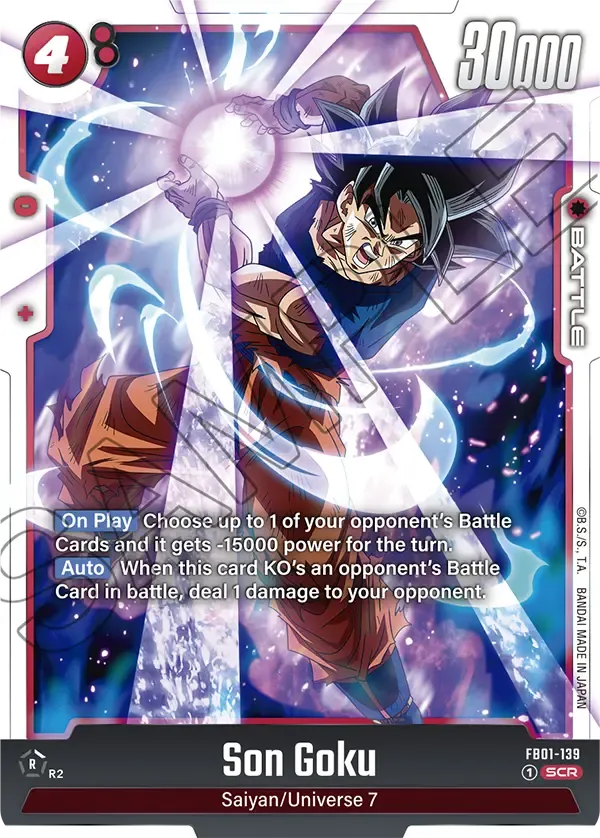
Compare that to Fusion World’s FB01 (Awakened Pulse, released February 16, 2024). Akira Toriyama passed away on March 1, 2024, barely two weeks after FB01 hit shelves, and the set instantly took on tribute significance as literally the last Dragon Ball product line he was alive to see launch. PSA 10 copies of the FB01 Son Goku Awakening Leader (SR) have traded in the $300-$600 range, and the FB01 Secret Rare Goku “Kamehameha” alt-art has run $600-$1,200 in top grade — a two-year-old card outpricing plenty of 20-year-old Dragon Ball Z CCG (Score Entertainment, 2000-2006) rares, which mostly sit in the $200-$600 PSA 10 band despite being nearly a decade older than the original DBS launch and multiple decades older than Fusion World.
The catch: that FB01 spike was partly an emotional/news-driven event, not a stable trend — reporting on the appreciation noted PSA 10 FB01 prices jumped 40-80% in the 30 days right after Toriyama’s death and have since leveled off. Buying into a set purely because a first-print/”tribute” story is attached to it is a bet on sentiment holding, which isn’t guaranteed. Treat any price cited here as a snapshot as of August 2026, not a forecast — card markets move fast, and this isn’t financial advice.
Myth 3: “A reprint automatically kills a card’s value”
Fusion World doesn’t reprint cards identically very often — instead, Bandai tends to bring popular characters back with new alt-art versions in later sets. FB04 (Ultra Limit, November 8, 2024) is a good example: it included SR alt-art reprints of established characters like Frieza, Gotenks, Vegeta, and Nappa alongside brand-new cards, effectively giving older character concepts a fresh printing without literally duplicating the original card’s art or number.


That’s a very different situation from a straight reprint, and it cuts both ways. On one hand, a flashier alt-art version can pull collector demand away from the original SR/SPR printing of that character, softening its price. On the other hand, the original first-print version of a chase card often keeps a “first edition” premium specifically because it was first — the reprint doesn’t erase that history, it just adds competition for eyeballs and wallets.
The catch: don’t assume any Bandai “reprint” is a literal reprint until you check the card number. A new alt-art version of Vegeta in FB08 (Saiyan’s Pride) is not the same product as an actual identical reprint of an FB02 Vegeta card — treating them as interchangeable when pricing your collection is a common and costly mistake.
Myth 4: “Limited/anniversary product always appreciates because the print run is small”
Bandai’s Fusion World 2nd Anniversary Set (released February 24, 2026, MSRP roughly $89-$100) is a real counterexample worth understanding both ways. It shipped with 10 special alt-art cards in foil stamping plus a card case and playmat-adjacent extras, and it’s since resold anywhere from roughly $300 to $500 on the secondary market — a genuine multiple over retail, driven by a capped print run tied to a specific anniversary date that won’t be repeated.
That looks like proof that “limited edition = guaranteed value,” but it’s survivorship bias. Plenty of limited/exclusive Dragon Ball TCG products over the years have not held a resale premium once the initial hype faded, especially anything where the “special” content is cosmetic alt-art of characters that already have several other versions in circulation. A small print run is necessary for long-term scarcity, but it isn’t sufficient — you also need sustained collector demand for that specific character/art, which is much harder to predict in year one than it looks in hindsight.
The catch: anniversary and special-edition Bandai products are also the easiest target for counterfeits and inflated “pre-order” resale listings before the print run is even confirmed sold out. If you’re buying single loose cards from an anniversary set on a marketplace rather than sealed product from an authorized retailer, verify the seller’s return policy and photos before paying a 3-5x markup.
Fusion World Sets at a Glance: Box Prices vs. the Myths
| Product | Set code | Release date | Approx. price (as of Aug 2026) | What it actually shows |
|---|---|---|---|---|
| Dragon Ball Super Card Game Fusion World Booster Pack — Rivals Clash (FB06) Box, 24 packs | FB06 | April 26, 2025 | ~¥9,895 (~$66) | A mid-cycle set — box price is close to newer sets, not discounted just for being a year old |
| Dragon Ball Super Card Game Fusion World Manga Booster 01 Box, 24 packs | SB01 | 2024 | ~¥50,691 (~$338) | All-foil product; premium is for guaranteed shine, not for guaranteed rarity |
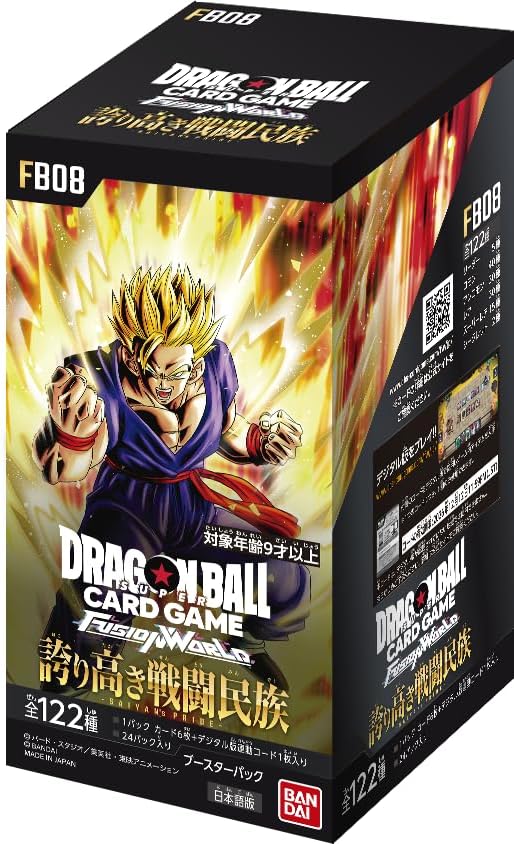
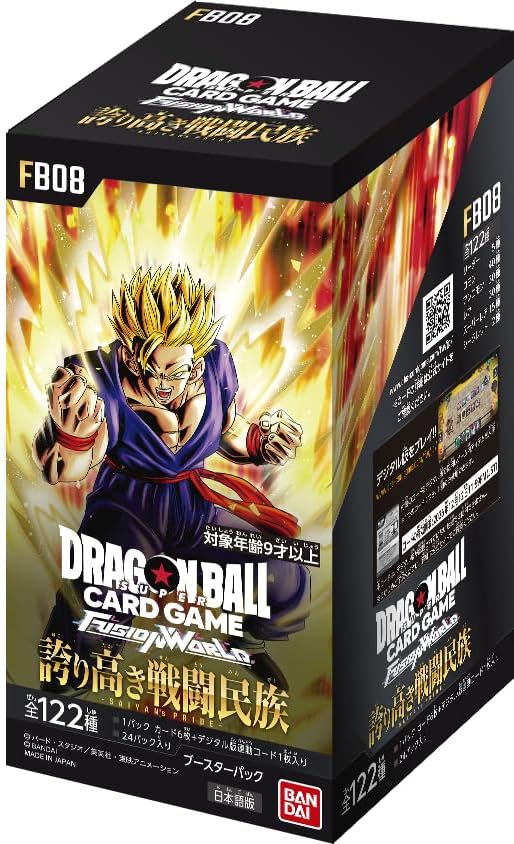
| Dragon Ball Super Card Game Fusion World Booster Pack — Saiyan’s Pride (FB08) Box, 24 packs | FB08 | December 12, 2025 | ~¥12,375 (~$83) | Newest set at time of writing; priced above several older sets due to current meta relevance, not youth alone |
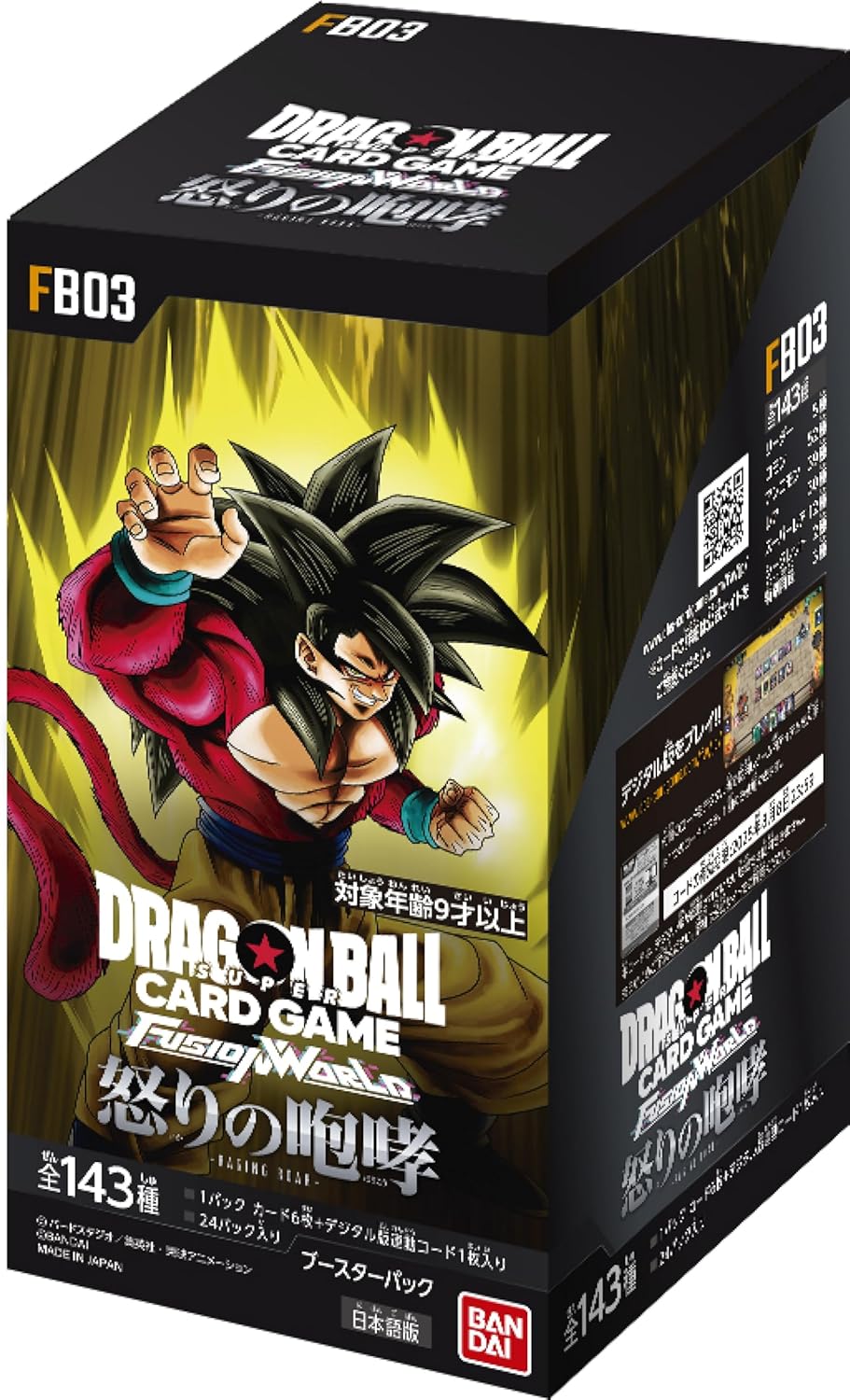
| Dragon Ball Super Card Game Fusion World Booster Pack — Roar of Rage (FB03) Box, 24 packs | FB03 | August 9, 2024 | ~¥10,183 (~$68) | Over a year old at time of writing and still priced in line with current sets — age alone didn’t move it |
| FB01 Awakened Pulse (SR/SCR singles) | FB01 | February 16, 2024 | PSA 10 singles ~$300-$1,200 | Youngest “vintage” set in the game, yet its top singles beat plenty of true 20+ year old Dragon Ball Z CCG rares |


USD figures are rough conversions at typical Aug 2026 JPY/USD rates and will shift with the exchange rate and Discovery Japan Mall’s live pricing; treat them as directional, not exact. FB01 boxes themselves aren’t shown here because Awakened Pulse sold out its print run in 2024 and isn’t currently in stock through this retailer — a real-world example of scarcity that has nothing to do with “age” as a myth and everything to do with actual supply.
Where the Meta Sits Right Now (and Why It Matters for Value)
As of August 2026, FB10 (Cross Force, released June 13, 2026 in Japan with the English print landing June 12, 2026) is the newest full booster set, with FB11 (Brightness of Hope) slated for October 2026 and a Story Booster 01 landing in between. Cards that are actively played in the current Cross Force/Dual Evolution meta — leaders and key SRs that see real tournament reps — tend to hold value better than flashier alt-art cards that never made a competitive deck, regardless of which set either one came from. That’s the piece the “foil/age/reprint” myths all skip: a card’s playability is usually a stronger price signal than its visual rarity tier. Checking recent Regional or Locals decklists (posted on Bandai’s official event pages and community sites like r/dbscg) before buying singles as an “investment” will tell you more than checking the foil finish ever will.
If you’re just getting into the game and want the fundamentals before worrying about card values at all, our Dragon Ball Fusion World Beginner’s Guide covers starter decks, colors, and where to start collecting.
FAQ
Are foil Dragon Ball Fusion World cards always worth more than non-foil versions?
No. Whether a card is foil in Fusion World is mostly determined by its printed rarity tier (R and above get hologram treatment) or by the product line it came from (Manga Boosters print every card as foil). A foil common from a Manga Booster is still a common in terms of playability and long-term demand — the foil finish is a cosmetic bonus, not a rarity signal by itself.
Does Fusion World replace the old Dragon Ball Super Card Game?
Yes for active competitive play, but the old game didn’t disappear — it was rebranded “Masters” and continues its own Zenkai Series releases in parallel. Fusion World cards and Masters cards are not compatible with each other, which matters if you’re buying older cards expecting them to slot into a Fusion World deck; they won’t.
Does a card reprint always crash its secondary market price?
Not automatically. Fusion World mostly reissues popular characters as new alt-art versions (different card number and art) rather than exact duplicate reprints, so the original printing often keeps some “first version” premium even after a flashier reprint arrives. What actually tanks a price is usually a drop in tournament playability, not the existence of a reprint on its own.
Where can I buy real, sealed Fusion World product safely if I’m outside Japan?
Stick to retailers that show the actual product listing and category (not just a generic “Dragon Ball cards” search result), and be wary of loose single cards sold far below the going rate — that’s the most common spot for counterfeits. Sealed booster boxes and starter decks from an authorized import retailer are generally lower-risk than individual graded-looking singles from an unverified seller.
How can I tell if a Dragon Ball TCG price I’m seeing online is real or inflated hype?
Cross-check at least two sources (a live marketplace like TCGplayer plus a completed-sales price guide) and note the date, since prices swing fast around new set releases and news events like Toriyama’s passing in 2024. A single “buy it now” listing at 3-5x the going rate isn’t evidence of value — it’s evidence someone is hoping you don’t check.
Takeaway
None of the shortcuts hold up: foil signals a print tier, not automatic rarity; age signals nothing on its own without checking actual print runs and demand; and reprints reshuffle demand between versions rather than simply destroying value. The cards and boxes worth paying attention to in 2026 — FB08 Saiyan’s Pride, FB10 Cross Force, and the still-hot FB01 Awakened Pulse singles — earn their prices from playability and genuine scarcity, not from checking a box on a myth list. Prices above are approximate as of August 2026 and are not financial advice; do your own price-checking before any purchase, especially on singles.
Related Articles
- Dragon Ball Super Card Game: Original vs. Fusion World
- How to Buy Dragon Ball Fusion World Cards Safely (2026)
- Fusion World Booster Box vs. Starter Deck: Best Value
More Trading Card Game Guides
- One Piece Card Game Value Myths, Debunked (2026) (One Piece Card Game)
- Pokémon Card Value Myths, Debunked (2026 Collector Guide) (Pokémon TCG)
Comments