※本ページはプロモーションが含まれます
Disclosure: This post contains affiliate links. If you buy through them, we may earn a commission at no additional cost to you. Learn more.
If you’re sitting on a box of Dragon Ball Super Card Game cards and wondering what they’re actually worth, here’s the short version: sort by set and rarity first, get anything that looks like a real chase card (SPR, SCR, or a high-pop SR) priced against recent sold listings before you touch a grading service, and sell through a platform that gives you buyer/seller protection rather than a random DM offer. Most of a typical collection — commons, uncommons, and playset Rs — is worth selling in bulk lots rather than card by card, since the per-card time cost of individual listings isn’t worth it below a few dollars a card.
This guide walks through the whole process: figuring out what you have, deciding what’s worth grading, picking a marketplace, listing it properly, and — the part that trips up first-time sellers most — avoiding the handful of scams that specifically target people offloading a card collection.
- Step 1: Sort Out What You Actually Have
- Step 2: Decide What’s Actually Worth Grading
- Step 3: Pick Your Marketplace
- Step 4: Photograph and List Like It Matters
- Step 5: Avoid the Scams That Target Sellers
- What About Selling Sealed Product Instead of Loose Cards?
- Marketplace Fee Comparison
- Frequently Asked Questions
- Takeaway
- Related Articles
- More Trading Card Game Guides
Step 1: Sort Out What You Actually Have
Before you price anything, separate your cards into three piles, because they sell completely differently:
- Fusion World cards (card numbers starting FB, FS, or SB) — this is the current, from-scratch relaunch BANDAI started in February 2024. If you’re new to the game’s set history, our Dragon Ball Fusion World beginner’s guide covers the FB01–FB12 set timeline in detail.
- Dragon Ball Super Card Game “Masters” cards (older DBS-B numbering, 2015–2023 era) — still a live game with its own Zenkai Series, but a completely separate collector market from Fusion World. Don’t assume a Masters-era SCR and a Fusion World SCR command the same money; they don’t share a fanbase 1:1.
- Everything else — promos, prize cards, sleeves/playmats, and bulk commons.
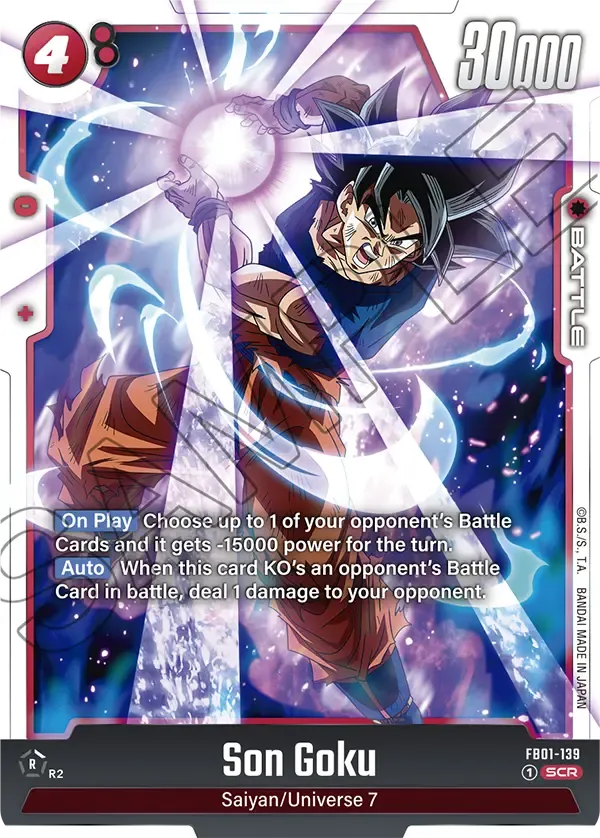
Within Fusion World specifically, rarity order runs roughly Common (C) → Uncommon (UC) → Rare (R) → Super Rare (SR) → Special Rare (SPR) → Secret Rare (SCR), with Leader cards having their own rarity tiers. SCRs use a distinctive rainbow foil treatment and are the cards actually worth researching individually before you sell — a Fusion World SCR-tier chase card (for example, cards like the FB01 “Awakened Pulse” Son Goku Kamehameha SCR) has sold in the $600–$1,200 range in PSA 10 as of mid-2026 sold listings, while the same card raw and lightly played might only be a $60–$150 sale. That gap is exactly why sorting before pricing matters.
Step 2: Decide What’s Actually Worth Grading
Grading isn’t automatic value — it’s a bet that a card’s post-grade price will clear the submission cost plus the wait. As of August 2026, PSA’s cheapest currently-active tier (Regular) runs about $79.99 per card with a 40–50 business-day turnaround; PSA temporarily paused its lower-cost Value tiers back in June 2026, so budget bulk grading through PSA specifically is not the deal it was a year ago. CGC and other competitors remain positioned as the lower-cost, faster option for mid-tier cards, while BGS is mostly chased by collectors specifically hunting a Black Label subgrade set on premium modern cards.
The math only works in your favor when a card is genuinely scarce and in near-mint condition to begin with — grading a $10 card into a $79.99 submission almost never nets a profit. A reasonable rule of thumb: only submit Fusion World cards that are SCR or a hyped SR, that you’d eyeball as a 9 or 10 raw, and that have shown PSA 10 sold comps meaningfully above (2-3x) the submission fee plus shipping insurance both ways.
The real caveat here: Fusion World cards are printed on Japanese card stock similar to One Piece TCG — noticeably thinner than Pokémon cardstock — so they’re more prone to edge whitening and surface scuffing if they’ve been sitting loose in a binder or box. If your collection hasn’t been sleeved from day one, don’t assume a card that looks fine to the naked eye will grade a 9 or 10; pre-screen with a loupe or a paid pre-grading service before you commit to a $79.99+ submission fee you won’t get back on a miss.
| Grader | Typical cost (per card, cheapest active tier) | Turnaround (as of Aug 2026) | Best for |
|---|---|---|---|
| PSA | ~$79.99 (Regular; Value tiers paused since June 2026) | ~40-50 business days | Widest resale liquidity, biggest buyer pool |
| CGC | Generally lower cost than PSA’s current tiers | Faster than PSA’s paused-tier backlog | Budget-friendly TCG grading, growing recognition |
| BGS (Beckett) | Comparable to or above PSA depending on tier | Varies by service level | Chasing a Black Label on a premium modern card |
Prices and turnaround times shift often — always check each grader’s site directly before submitting, since these numbers are current as of this writing and not a guarantee.
Step 3: Pick Your Marketplace
Where you sell depends on volume and value, not just what platform you’ve heard of.
- eBay — the deepest buyer pool for Dragon Ball cards specifically, including sealed boxes, SPR/SCR singles, and lots. As of 2026, eBay’s final value fee for trading cards runs around 13.25% plus a small per-order fee (a Store subscription can bring that down to roughly 12.35%). Best for individually valuable cards and sealed product where auction format can find a real ceiling price.
- TCGplayer — a trading-card-specific marketplace with a simpler flat-percentage fee structure, around 10.75% plus a small payment processing cut as of February 2026 pricing. Better tooling for pricing singles against real sold comps, but Dragon Ball Fusion World’s buyer traffic on TCGplayer is thinner than on eBay, so expect slower sell-through on anything outside chase rarities.
- Cardmarket — Europe’s largest TCG marketplace and worth listing on if you’re shipping from or to the EU/UK; less useful if you’re US-based, since cross-border shipping eats into margin fast.
- Local game store buylists / trade-in — the lowest-effort option and usually the lowest payout (LGS buylists typically pay 30-50% of market value since the store needs its own margin to resell). Worth it for bulk collections you want gone today rather than singles you’re willing to wait weeks to sell piece by piece.
- Discord / Facebook trading groups (r/dbscg and similar) — can get you closer to full market value with zero platform fee, but you’re trading buyer protection for a better price. Only use this route with users who have visible trade history/vouches, and never as your first-ever sale of a high-value card.
- Consignment auction houses (for genuinely high-end single cards, prize cards, or graded SCRs) — worth considering only above a few hundred dollars per card, since consignment fees eat a meaningful cut in exchange for reaching serious collectors.
For a bulk collection of mixed value, a common approach is: grade and individually list the handful of real chase cards, sell mid-value singles as a lot or through TCGplayer/eBay, and offload true bulk (commons/uncommons) to an LGS buylist or a flat-rate bulk lot on eBay rather than trying to sell 500 commons one at a time.
Step 4: Photograph and List Like It Matters
Buyers can’t touch the card, so your photos are doing all the trust-building work. A few things that consistently move listings faster:
- Shoot both front and back under the same lighting, in a sleeve/toploader to cut glare and show you handle cards carefully.
- Use even, indirect light (a simple three-point setup or just diffused daylight near a window) — direct light or flash washes out foil detail on SR/SPR/SCR cards, which is exactly the detail buyers are trying to verify.
- Lead with a straight-on shot of the card’s best angle, then include close-ups of any edge wear, centering issues, or surface scratches you can see — disclosing flaws up front heads off returns and negative feedback far more than it costs you in price.
- Write the listing title with the actual card name, set code (e.g., “FB01-139”), and rarity — Fusion World buyers searching by set code are common enough that omitting it costs you search traffic.
Step 5: Avoid the Scams That Target Sellers
Most trading-card scam advice online is written for buyers, but sellers get targeted too — and the DBS/Fusion World market has enough new money flowing in around each set release (FB10 “Cross Force” launched in Japan in mid-2026 and drove a fresh wave of interest) that scammers follow the hype.
Watch for:
- “I’ll pay outside the platform” offers. Anyone offering to pay via a friends-and-family transfer, gift cards, or a payment app outside your marketplace’s protected checkout is trying to avoid the platform’s dispute process — which means if they claim non-receipt or send a chargeback later, you have no recourse.
- Overpayment / “shipping label” scams. A buyer sends more than the asking price and asks you to refund the difference, or asks you to ship using a label they provide rather than one you generate — both are common precursors to a reversed payment after the card has already shipped.
- Return fraud. A buyer purchases a genuine card, then requests a return claiming it’s damaged or not as described, and ships back a different (often lower-value or counterfeit) card in the original’s place. Photograph and, for higher-value cards, video the exact card and its serials/flaws before you box it, so you have proof of what actually shipped.
- Counterfeit purchases disguised as “trades.” Some scammers specifically target sellers of high-value SCRs by offering an in-kind trade of an even rarer card — verify any card you’d accept in trade the same way a buyer should verify what they’re buying from you, since counterfeit Fusion World singles do circulate, particularly for the highest-demand SCRs.
Always ship tracked and insured for anything over roughly $50-75, use your marketplace’s built-in payment system rather than a side channel, and be suspicious of any buyer pushing urgency (“I need this shipped today before payment clears” or similar).
What About Selling Sealed Product Instead of Loose Cards?
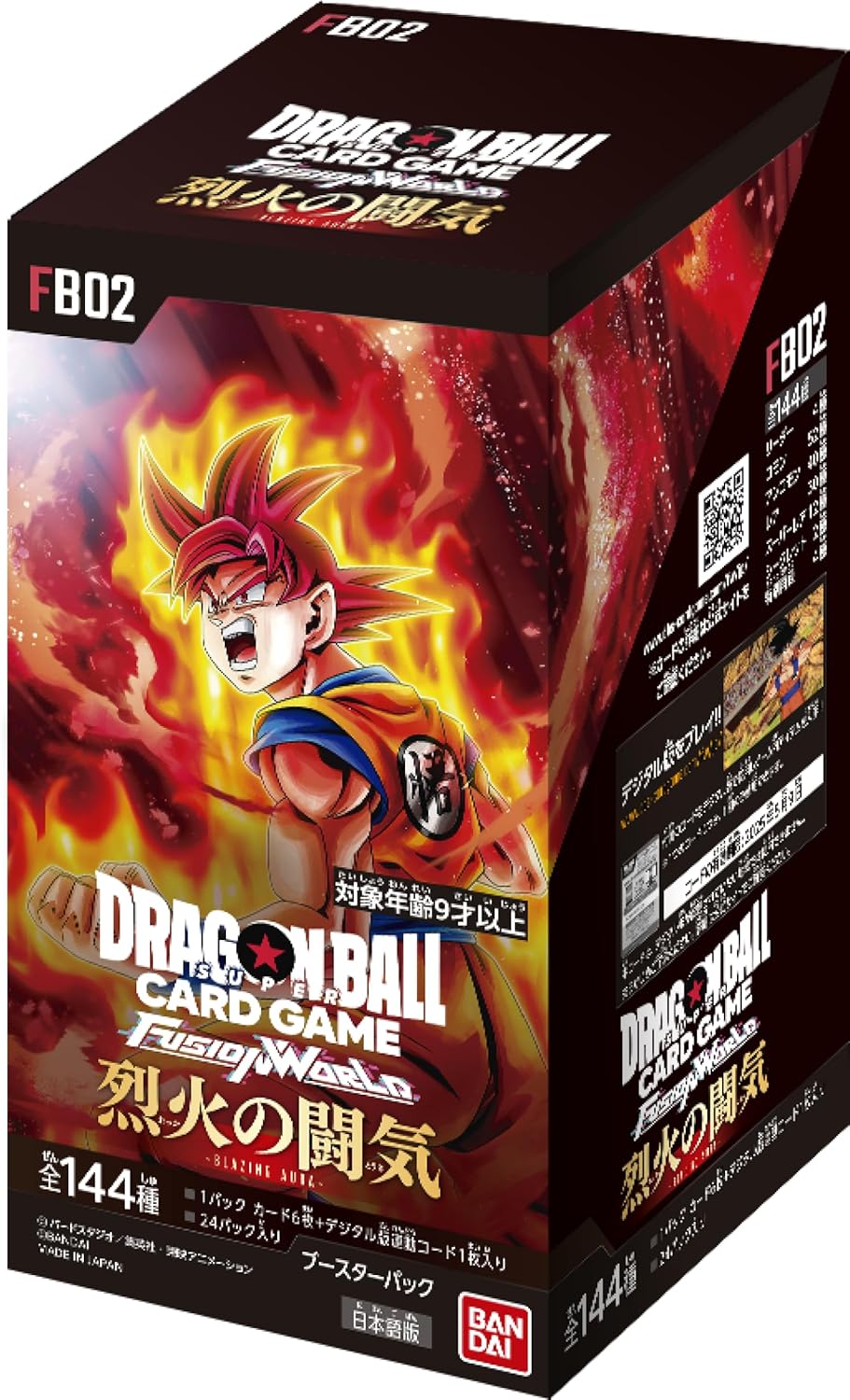
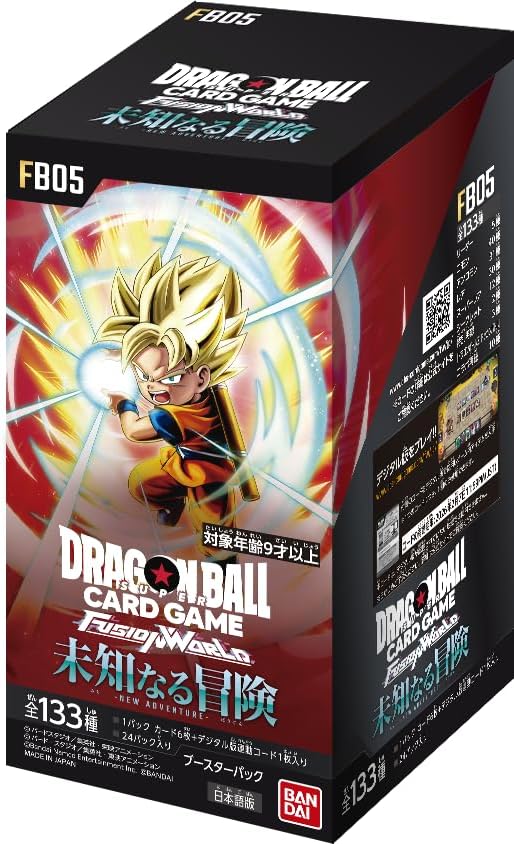
If part of what you’re offloading is unopened sealed product rather than loose singles, know what current retail pricing on that same set actually looks like before you set an asking price — sellers who haven’t checked recent numbers tend to either underprice a genuinely scarce older box or overprice a common one nobody wants anymore. For reference, real Japanese-print Fusion World boxes are currently in stock through Discovery Japan Mall, including FB02 “Fiery Fighting Spirit” Booster Box (24 packs, ~¥9,895 new as of this writing), FB05 “Unknown Adventure” Booster Box, and FB06 “Looming Threat” Booster Box — useful as a rough floor for what a factory-sealed box of the same set should be worth in similar condition. Note that this mall is a one-way import retailer selling new product to buyers; it doesn’t buy back collections, so it’s a pricing reference here, not a place to sell to.


Marketplace Fee Comparison
| Platform | Approx. seller fee (2026) | Buyer pool for DBS/Fusion World | Best for |
|---|---|---|---|
| eBay | ~13.25% + per-order fee (lower with a Store) | Largest | Singles, sealed boxes, auctions |
| TCGplayer | ~10.75% + processing | Moderate, growing | Priced singles vs. real comps |
| Cardmarket | Listing/commission fees, EU-centric | Strong in EU/UK only | Cross-border EU sales |
| LGS buylist | No fee, but payout is 30-50% of market | N/A (instant, local) | Fast bulk cash-out |
| Discord/FB groups | No platform fee | Smaller, trust-dependent | Experienced traders only |
This isn’t financial advice — card values for chase Fusion World singles move quickly around new set releases and BANDAI’s periodic banned/restricted list updates, and the specific dollar figures above are a snapshot as of August 2026, not a guarantee of what your cards will fetch.
Frequently Asked Questions
Should I grade my whole collection before selling it?
No — grading only pays off on cards that are already scarce and near-mint, since submission fees (roughly $79.99+ per card at PSA’s current cheapest active tier) can easily exceed a common or mid-tier card’s entire value. Reserve grading for SCR-tier or hyped SR cards you’d eyeball as a 9 or better raw.
Is it better to sell my collection as one bulk lot or card by card?
It depends on value concentration. If a handful of cards make up most of the collection’s value, pull those out and sell them individually (or grade the very best ones); sell the rest — mostly commons/uncommons — as a bulk lot or through an LGS buylist, since individually listing low-value cards usually isn’t worth the time per sale.
How can I tell if a Fusion World card someone’s buying (or trading me) is counterfeit?
Compare card stock thickness and foil pattern against a known-genuine card from the same set, check that Power/Cost/Color icons and set codes match BANDAI’s official card database exactly, and be wary of any high-value SCR priced well under recent sold comps — that’s the single biggest red flag for a fake or altered card.
Do Fusion World cards expire or rotate out of legality, affecting resale value?
Not through a rotating Standard format — every mainline set from FB01 onward remains tournament-legal as of August 2026. What can affect a card’s value is BANDAI’s banned/restricted list, updated a few times a year; a card that gets restricted can drop in competitive demand even though it’s still legal to own and play casually.
What’s the safest payment method when selling directly to another collector?
Use your marketplace’s built-in checkout and buyer/seller protection rather than a side payment app or gift cards, ship tracked and insured for anything over roughly $50-75, and photograph or video the card immediately before boxing it as proof of condition and authenticity at time of shipment.
Takeaway
Selling a Dragon Ball Super Card Game collection isn’t complicated, but it rewards patience: sort Fusion World from Masters-era cards, identify the handful of genuine SCR/SR chase cards worth grading, and route everything else — mid-value singles and bulk commons — to the marketplace that matches its value tier rather than trying to sell everything the same way. The scams that target sellers specifically (off-platform payment requests, return-fraud swaps, and lowball trade offers for counterfeit “rares”) are avoidable as long as you keep transactions inside a protected platform and document condition before you ship. Get that part right and the rest is just patience and decent lighting for your photos.
Related Articles
- How to Buy Dragon Ball Fusion World Cards Safely (2026)
- Dragon Ball Super Card Game: Original vs. Fusion World
- Original Dragon Ball Super Card Game: Chase Cards Guide
More Trading Card Game Guides
- How to Sell a One Piece Card Game Collection Safely (2026) (One Piece Card Game)
- Where to Sell Your Pokémon Card Collection (2026) (Pokémon TCG)
Comments