※本ページはプロモーションが含まれます
Disclosure: This post contains affiliate links. If you buy through them, we may earn a commission at no additional cost to you. Learn more.
The short answer: sleeve every card the moment it leaves the pack, use rigid toploaders or one-touch cases for anything SR or above, keep binders and boxes out of direct sunlight and humidity, and never store cards loose in a rubber-banded stack. Dragon Ball Super Card Game Fusion World cards are standard-sized (63mm x 88mm, the same as Pokémon, MTG, and One Piece), so most mainstream storage gear fits them — but the cards themselves have a couple of quirks that make sloppy storage more punishing than with other TCGs. Here’s what actually protects your Fusion World collection, and where people waste money.
If you’re brand new to Fusion World and still figuring out sets and rules, our Dragon Ball Fusion World Beginner’s Guide covers deck colors, starter decks, and how to buy in — this article assumes you already have cards in hand and just pulled something worth protecting.
- Why Fusion World Cards Need Extra Care
- Sleeves: Official BANDAI vs. Third-Party
- Toploaders and One-Touch Magnetic Cases
- Binders for Active Collections
- Long-Term Storage: Temperature, Humidity, and Light
- Quick Comparison: What to Use for What
- Frequently Asked Questions
- Takeaway
- Related Articles
- More Trading Card Game Guides
Why Fusion World Cards Need Extra Care
Two things make Fusion World cards more storage-sensitive than you might assume from a “standard size = standard care” mindset:
The card backs have thick black borders. Compare that to Pokémon’s blue-and-tan back design — a little edge wear on a Pokémon card back blends into the pattern. On a Fusion World card, any whitening or chipping along that black border is immediately visible, which matters a lot if you ever plan to submit a card for grading. Graders and AI-assisted pre-screening tools (used by services like PreGradeCards ahead of PSA submission) flag edge whitening on the dark border almost instantly.
The foil stamps on high-rarity cards can flake. SCR (Secret Rare) and Leader cards often carry gold or silver foil stamping, and that foil is prone to micro-flaking if it repeatedly rubs against a textured sleeve interior or slides loose inside a box. This is a known submission concern for graders checking whether the foil stamp is 100% intact. A double-sleeve setup (a snug penny sleeve inside a slightly looser standard sleeve) reduces that friction significantly and costs pennies per card.
Neither of these is unique to Dragon Ball, but they’re more visually punishing than on lighter-bordered card games, which is why “eh, I’ll sleeve it later” is a worse habit here than it is with some other TCGs.
Sleeves: Official BANDAI vs. Third-Party
BANDAI sells official Fusion World sleeves directly — the first wave launched February 16, 2024 in four designs (Standard Black, Son Goku, Capsule Corp., and Red Ribbon Army), 64 sleeves per pack at roughly $8 USD MSRP. Since then BANDAI has kept releasing new sleeve art tied to later sets, including special “Official Card Sleeve” waves with Red Dragon Balls artwork and limited gold-foil Son Goku designs — collectors chase specific sleeve art the same way One Piece TCG players chase Luffy sleeve variants.
- Pros of official sleeves: matched to the card back color scheme (so a mismatched sleeve doesn’t stand out at a tournament table), officially licensed art, widely available at the same shops that sell booster boxes.
- Cons: $8 for 64 sleeves works out to about 12.5 cents per card, which is fine for a single deck but adds up fast if you’re sleeving a full binder collection. The plastic quality is decent but not premium — competitive players sometimes report a slightly looser fit than Dragon Shield or Ultra Pro standard sleeves, so double-sleeving with a third-party inner sleeve is common at locals.
Note for buyers: this affiliate mall (Discovery Japan Mall, which ships real Japanese-print product worldwide) currently stocks Fusion World booster boxes but not individual sleeve packs — sleeves are worth grabbing from a local game store or a marketplace like TCGplayer alongside your next box order, since shipping sleeves internationally on their own often isn’t cost-effective.
Generic standard-size sleeves (Dragon Shield Classic, Ultra Pro Eclipse, KMC) also work fine on Fusion World cards since the card size matches the TCG standard — you don’t need Dragon Ball-branded sleeves for the cards to fit or shuffle well. The only reason to pay the premium for official art is aesthetics, not protection.
Toploaders and One-Touch Magnetic Cases
For anything SR, SPR, SCR, or a Leader card you actually care about, a sleeve alone isn’t enough — sleeves stop scuffing but not bending. Once a sleeved card goes into a binder pocket or gets tossed in a box with other cards, corner dings happen.
- Toploaders (rigid 3″x4″ plastic sleeves) are the budget standard — a pack of 25-100 runs $5-15 depending on brand, and they’re the default for shipping a card safely if you ever sell a pull.
- One-touch magnetic cases cost more (often $1-3 per card) but look nicer for display and don’t require tape to keep the card from sliding out, which matters if you’re storing rather than shipping. They also add real protection against pressure — a stack of toploaders can still bow under weight, but a magnetic case’s rigid snap closure holds its shape.
The downside of both: neither is airtight, so they don’t stop long-term humidity damage on their own (more on that below), and cheap toploaders can develop static that lifts fine print off cheaply-printed cards over years of handling — not a huge risk for BANDAI’s official print quality, but worth knowing if you buy off-brand toploaders in bulk.
Binders for Active Collections
For a working collection you flip through regularly — trade binders, “here’s my playset” binders — a 9-pocket or 12-pocket zippered binder with side-loading pockets is the standard. Look for acid-free, non-PVC pages; PVC pages can react with card ink and foil over years and cause a hazy film, which is a slow-motion problem you won’t notice until it’s already happened. This applies to any TCG, not just Dragon Ball, but it’s worth checking since a lot of budget binders don’t advertise the material clearly.
Trade-off to know: binders are great for accessibility and bad for high-density storage. A 9-pocket binder holding a few hundred cards is convenient; trying to binder-store a few thousand commons from opened boxes just wastes shelf space you don’t need to spend on bulk cards. Save the binder pages for cards worth displaying and put true bulk in cheap card boxes instead.
Long-Term Storage: Temperature, Humidity, and Light
If you’re sitting on sealed booster boxes or a long-term collection you don’t touch often, the environment matters more than the container:
- Keep sealed product and graded slabs out of direct sunlight. UV exposure fades ink and foil over months, not years, if a box sits in a sunny window.
- Avoid basements and garages with humidity swings. Cardboard booster boxes absorb moisture, which warps the box and can cause pack seals to soften. A closet or closed cabinet at normal room humidity is safer than anywhere temperature cycles daily.
- Don’t stack heavy weight on sealed boxes. Booster boxes are cardboard, not the reinforced boxes some other TCGs use, and warped boxes lose resale value even if the packs inside are fine.
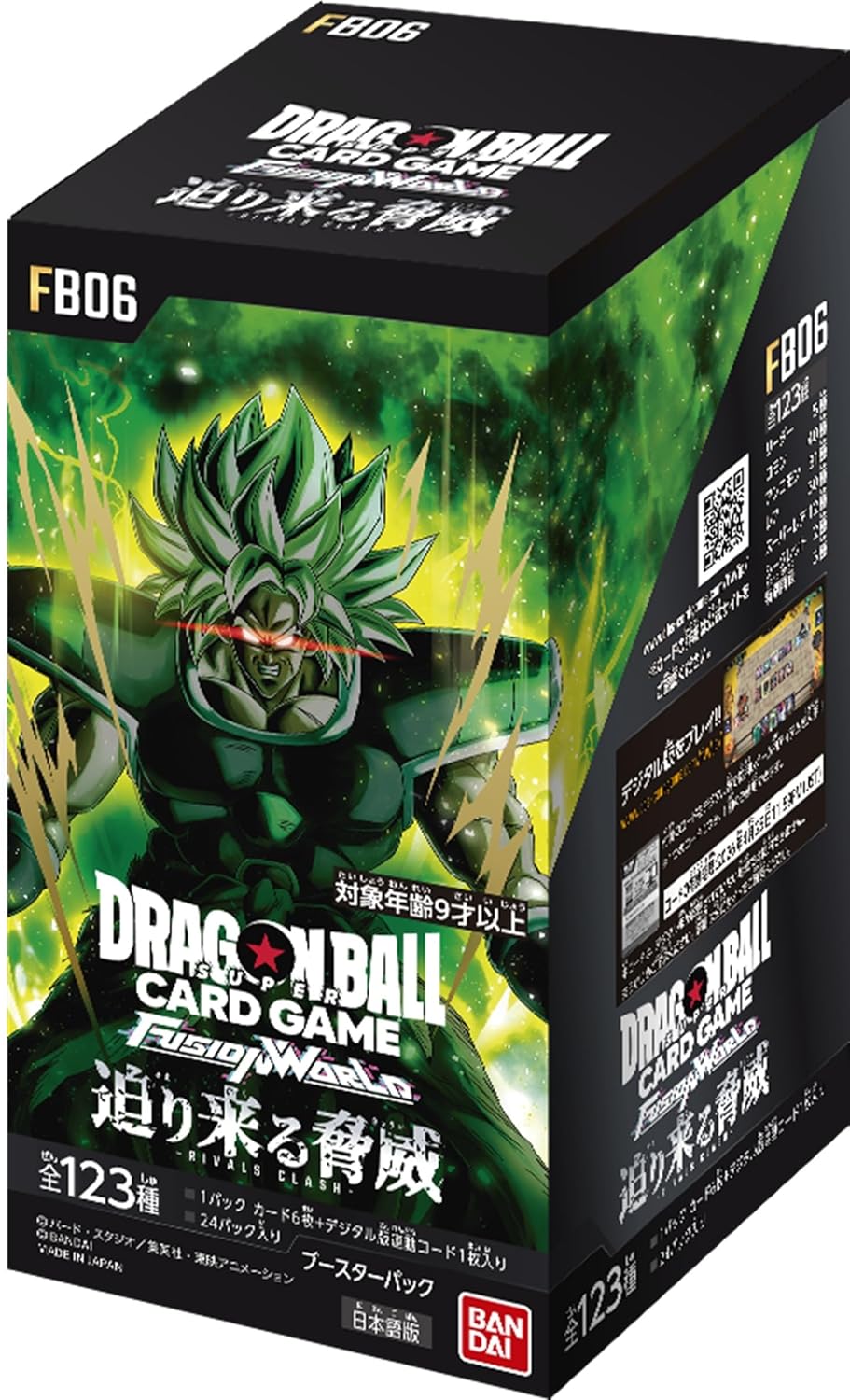
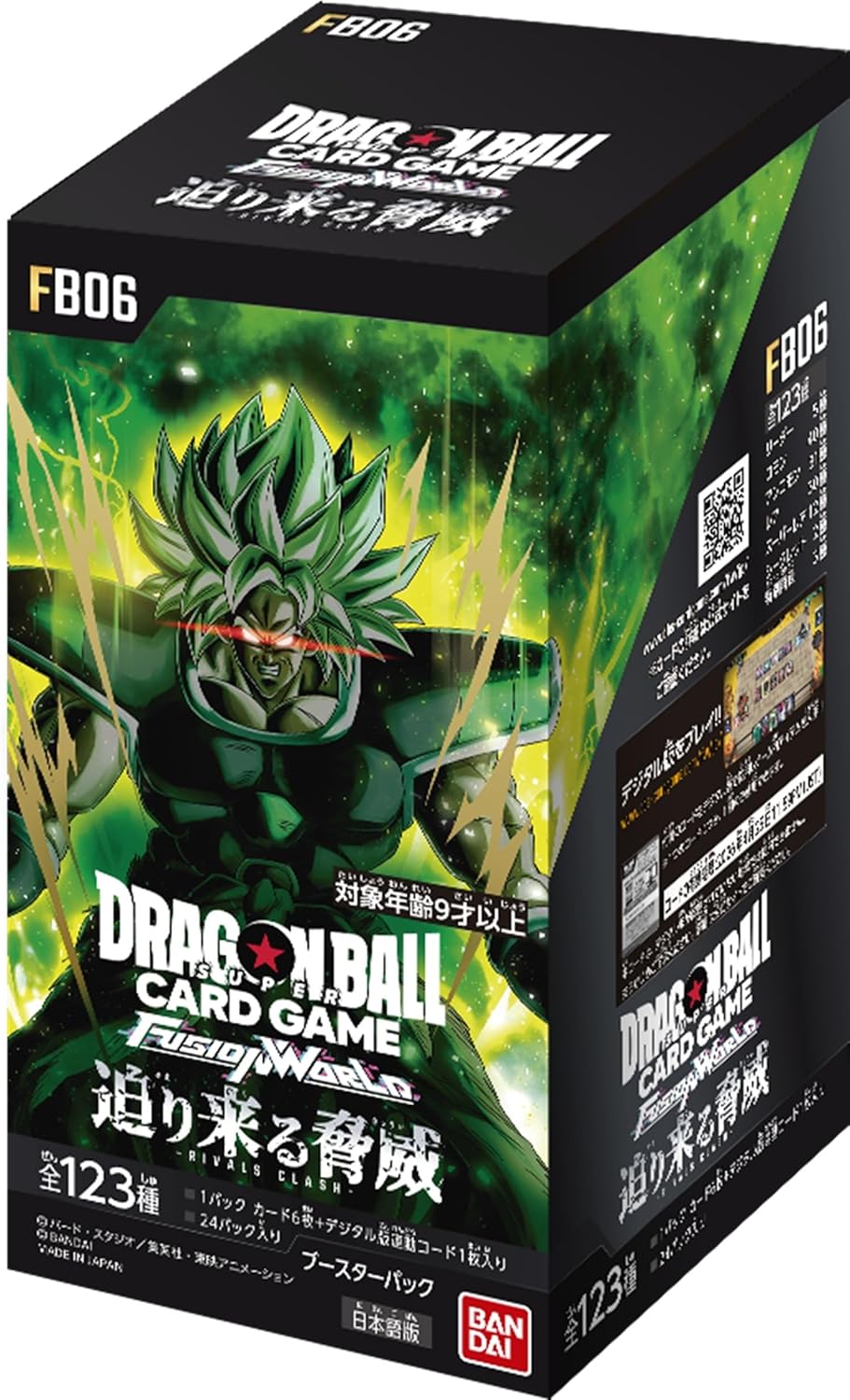
If you’re holding sealed Fusion World boxes as a long-term collection rather than opening them, current examples this mall stocks include the FB06 Looming Threat Booster Box and the FB05 Unknown Adventure Booster Box — both real Japanese-print stock, useful if you want a baseline for how a properly stored sealed box should look years from now. Worth noting as a caveat: card and sealed-product prices fluctuate a lot based on the competitive meta and reprint announcements, so treat any of this as collecting guidance, not investment advice — nothing here is financial advice, and set values can and do drop after a set rotates out of relevance or gets an unexpected restock.


Quick Comparison: What to Use for What
| Storage Type | Best For | Approx. Cost (per card / per pack) | Main Downside |
|---|---|---|---|
| Official BANDAI sleeves (64ct) | Deck protection for play, matched card-back look | ~$0.125/card ($8/64ct) | Looser fit than premium third-party sleeves |
| Third-party standard sleeves (Dragon Shield, Ultra Pro) | Everyday play + double-sleeving | ~$0.10-0.20/card | No official Dragon Ball branding |
| Toploaders | Shipping, protecting single SR/SCR pulls | ~$0.10-0.30/card | Doesn’t stop humidity damage; can bow under stacked weight |
| One-touch magnetic cases | Display pieces, chase pulls you’re keeping | ~$1-3/card | Pricier at scale, adds bulk |
| 9-pocket acid-free binder | Active trade/playset collections | ~$15-30/binder | Poor for bulk storage; PVC pages risk long-term haze |
| Sealed booster box (climate-controlled storage) | Long-term unopened collecting | Box price varies by set | Cardboard warps in humidity; no reprint protection on value |
Prices are approximate as of August 2026 and will vary by retailer and region.
Frequently Asked Questions
Do Dragon Ball Super Card Game cards need special “Dragon Ball” sleeves, or will any standard sleeve work?
Any standard-size sleeve (63mm x 88mm slot, same size used for Pokémon, MTG, and One Piece cards) fits Fusion World cards fine. Official BANDAI sleeves exist mainly for matching art and licensed appeal, not because the cards need a different fit.
Is it worth sleeving common and uncommon cards, or just the rares?
For cards you’re keeping in a binder or actively trading, sleeve everything — it’s cheap insurance. For true bulk commons you’re not planning to sell or display, a simple cardboard bulk box without individual sleeves is fine; spending sleeve money there is wasted budget better used on protecting your SRs and SCRs.
How can I tell if a card has humidity damage before it’s too late?
Watch for a slight curl or warp at the corners, a matte “hazy” look to foil that used to be glossy, or a musty smell from the box. By the time you see visible warping the damage is already done, which is why prevention (a stable, dry storage spot) matters more than trying to catch it early.
Does storage condition actually affect resale value, or is that overstated?
It matters a lot for anything above bulk-common value. A near-mint SCR with sharp corners and no edge whitening can be worth multiples of the same card with visible wear, especially for grading submissions where PSA and other graders explicitly dock points for edge and surface condition. For true bulk cards worth a few cents each, storage condition barely moves the price.
Can I use the same storage gear for Fusion World and the older Dragon Ball Super Card Game (Masters)?
Yes — both games use the same physical card size, so sleeves, toploaders, and binder pages are interchangeable between Fusion World and Masters-era cards. Just don’t mix the two games in the same deck; they aren’t legal together in play even though the cards physically fit the same gear.
Takeaway
Fusion World cards don’t need exotic storage gear — the same sleeves, toploaders, and binders that work for Pokémon or One Piece work here too. What’s different is how visible damage is on Fusion World’s dark card backs and foil-stamped rares, which makes the basics (sleeve immediately, double-sleeve your keepers, keep sealed product dry and out of the sun) matter more than they might on a game with more forgiving card design. Get the fundamentals right from pack to shelf and you’ll avoid the most common regret collectors have: realizing a chase pull got dinged up before they ever got around to protecting it.
Related Articles
- Dragon Ball Super Card Game: Original vs. Fusion World
- Original Dragon Ball Super Card Game: Chase Cards Guide
- How to Buy Dragon Ball Fusion World Cards Safely (2026)
More Trading Card Game Guides
- How to Store One Piece Card Game Cards (2026 Guide) (One Piece Card Game)
- How to Store & Display Naruto TCG Cards: Sleeves to Binders (Naruto Card Game)
- How to Store Pokémon Cards: Sleeves, Toploaders & Binders (Pokémon TCG)
Comments