※本ページはプロモーションが含まれます
Disclosure: This post contains affiliate links. If you buy through them, we may earn a commission at no additional cost to you. Learn more.
Short answer: grading is worth it for high-value alt-art rarities from a Fusion World set’s chase tier — SPR, SPR_S, and SCR cards that already sell raw for $50 or more — and it’s a money-loser for anything common, uncommon, or below roughly $30 raw. Between the three big services, PSA still carries the strongest resale premium for Dragon Ball cards, CGC is the cheapest way to grade in bulk, and BGS’s black-label subgrades matter mainly for the handful of cards that could plausibly hit a true Gem Mint across every corner. This guide breaks down the actual 2026 costs, turnaround times, and what separates a card worth sending in from one that should just live in a top-loader.
Fusion World (BANDAI’s from-scratch 2024 relaunch of the Dragon Ball Super Card Game) has now been out long enough — FB01 Awakened Pulse through FB08 Proud Warrior Tribe, plus manga-art side sets like SB01 and SB02 — that a real secondary market for graded copies has formed. But grading isn’t free, it isn’t fast, and a bad decision can tie up a card (and money) for months. Here’s how to think about it like someone who’s actually shipped cards to a grading company, not just watched a hype video.
- Why Grade a Fusion World Card At All
- What Makes a Fusion World Card Grade-Worthy
- PSA vs BGS vs CGC: Cost and Turnaround Comparison (August 2026)
- Case Study: Is It Worth Grading an FB01 Card in 2026?
- Vintage DBZ vs Fusion World: A Different Grading Calculus
- Comparison Table: What’s Actually Worth Grading
- Frequently Asked Questions
- The Takeaway
- Related Articles
- More Trading Card Game Guides
Why Grade a Fusion World Card At All
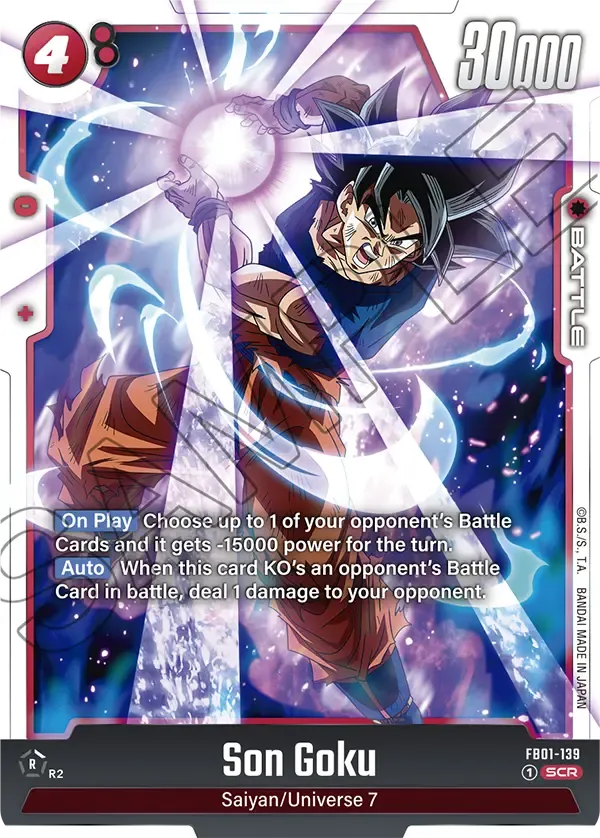
A graded card does three things a raw card can’t: it locks in a third-party-verified condition, it’s protected from further wear inside a tamper-evident slab, and — for the right card — it commands a real resale premium over an ungraded copy in the same condition. GameStop’s graded card listings show PSA 10 Fusion World cards ranging anywhere from about $38.99 for lower-rarity chase cards up to $244.99+ for marquee pulls, and auction data on cards like the FB01 SCR Goku “Kamehameha” alternate art has shown PSA 10 copies trading in the $600-$1,200 range, versus a raw near-mint copy of the same card typically going for a fraction of that (as of August 2026 — Dragon Ball card prices move constantly, so treat any number here as a snapshot, not a guarantee, and none of this is financial advice).
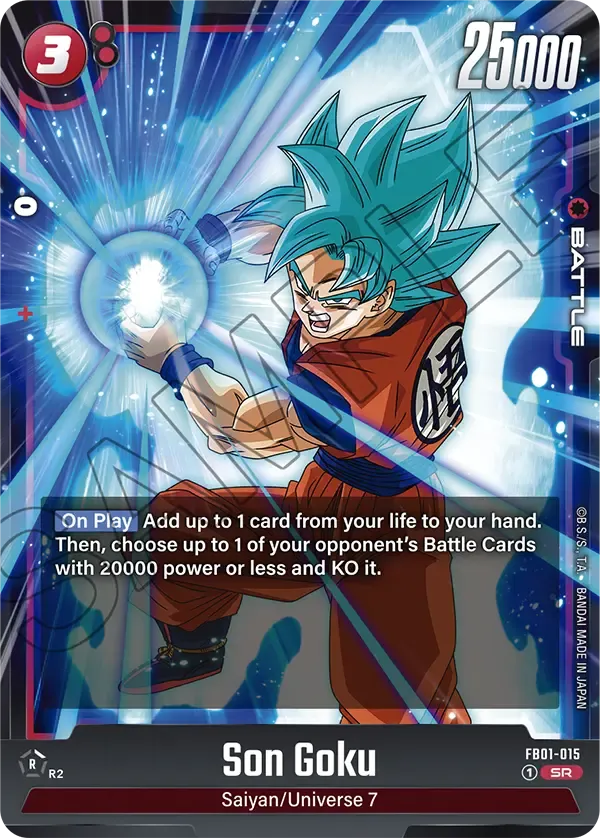
The catch: that premium is concentrated almost entirely in the highest rarities. FB01 SR Goku “Awakening” alt-art PSA 10s have been seen around $300-$600, which is a healthy premium, but a Rare (R) or Common (C) card from the same set is essentially worthless raw or graded — grading fees alone would exceed the card’s total value several times over.
What Makes a Fusion World Card Grade-Worthy
Not every expensive-looking pull is a good grading candidate. A few things specific to this game are worth knowing before you submit:
- Rarity tier matters more than “looks cool.” Fusion World’s rarity ladder runs C → UC → R → SR → SPR → SPR_S → SCR, with Leader (L) and Starter-exclusive (ST) cards tracked separately. SPR and SCR cards get the alternate art and foil treatment that collectors actually pay a premium for graded; SR is a maybe depending on the specific card’s demand.
- Card stock is thinner than you’d expect. Fusion World uses a lighter Japanese card stock, closer to something like One Piece TCG than to thick Pokémon cardstock — it’s more prone to soft corners and edge whitening if it’s ever been handled without a sleeve, which tanks centering and surface subgrades fast.
- Foil scratches under raking light are the #1 killer. SR/SPR/SCR full-art cards carry heavy metallic foil treatment, and light scuffing that’s invisible under normal light shows up clearly once a grader tilts the card under raking light. Inspect any pull you’re considering for grading under a strong angled light source before you pay to ship it anywhere.
- Fresh pulls beat played collection copies. A card pulled straight from a sealed pack and immediately sleeved has a real shot at a 9 or 10. A card that’s been in a binder or played in a sleeve deck for months, even carefully, usually won’t.
- Population creep is real and works against you. A set’s first few months after release usually show a wave of grading submissions, meaning the PSA/CGC population count for a “rare” PSA 10 today can quietly triple within a year as more copies get slabbed — which softens resale value over time. Check a card’s current population report before assuming scarcity.
PSA vs BGS vs CGC: Cost and Turnaround Comparison (August 2026)
Pricing and availability shift often enough at all three companies that you should double check current tiers before submitting, but here’s where things stood as of this writing.
| Service | Entry Tier | Cost / Card | Turnaround | Notes |
|---|---|---|---|---|
| PSA | Regular | $79.99 | 40-50 business days | PSA’s Value/Value Plus/Value Max tiers are currently paused due to demand; Regular is the cheapest active option. Strongest resale recognition for TCG cards overall. |
| PSA | Express | $149 | 20-30 business days | |
| PSA | Super Express | $349 | 10-15 business days | |
| PSA | Walk-Through | $599 | 7-10 business days | Max insured value scales up with tier |
| BGS (Beckett) | Standard | $34.95 | ~45 business days | As of early August 2026, new Base and Standard online submissions are paused, with BGS expecting to reopen them around September 15, 2026; Express and Priority remain open. |
| BGS (Beckett) | Express | $79.95 | ~15 business days | Subgrades (centering/corners/edges/surface) included at Standard tier and above — the main reason collectors pick BGS over PSA for a card they think can hit a true Black Label. |
| CGC Cards | Economy | $20 | ~20 business days | Cheapest realistic single-card option currently open across all three services. |
| CGC Cards | Bulk | $17 | ~40 business days | Requires a 25-card minimum submission — only worth it if you’re grading a whole box’s worth of hits at once. |
| CGC Cards | Standard | $55 | ~10 business days |
A few honest caveats on top of the table: none of these turnaround estimates are guaranteed — all three companies publish them as targets that shift with submission volume, and actual real-world wait times have run longer than published estimates during demand spikes in past years. You also need to budget for inbound shipping, insurance, and a return-shipping fee on top of the base grading cost, which typically adds $20-$50 per submission depending on declared value and how many cards you’re sending together. If you’re submitting from outside the US, factor in customs handling and the fact that international submitters often pay more and have fewer drop-off options.
Case Study: Is It Worth Grading an FB01 Card in 2026?
FB01 Awakened Pulse (Fusion World’s debut set, released in Japan in February 2024) is the clearest example of the calculation working out. The SCR Goku “Kamehameha” alt-art and the SR “Awakening” Goku alt-art are both still commanding real premiums in PSA 10, and FB01 as the very first Fusion World set carries a “first set” collector premium the way an original-print card often does in other TCGs. If you pulled one of these in near-mint condition straight from a pack back in 2024 and it’s been properly sleeved since, PSA Regular or CGC Economy is a reasonable bet given the raw-to-graded price gap.
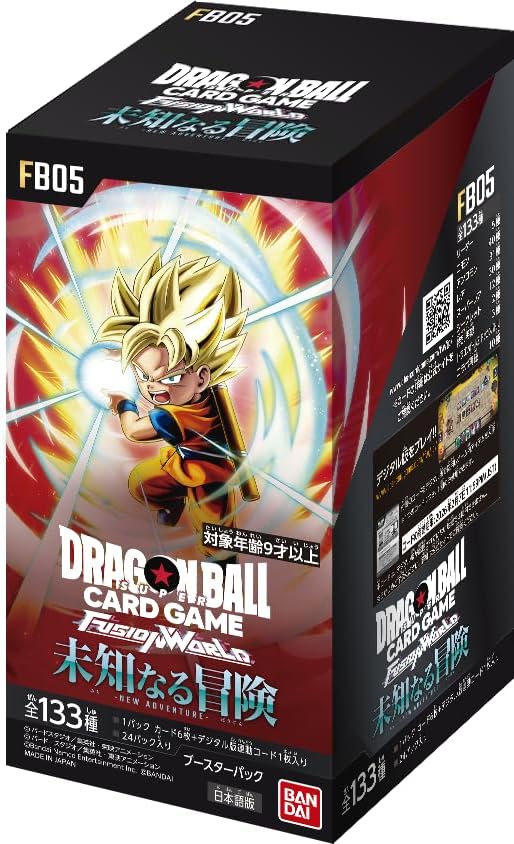
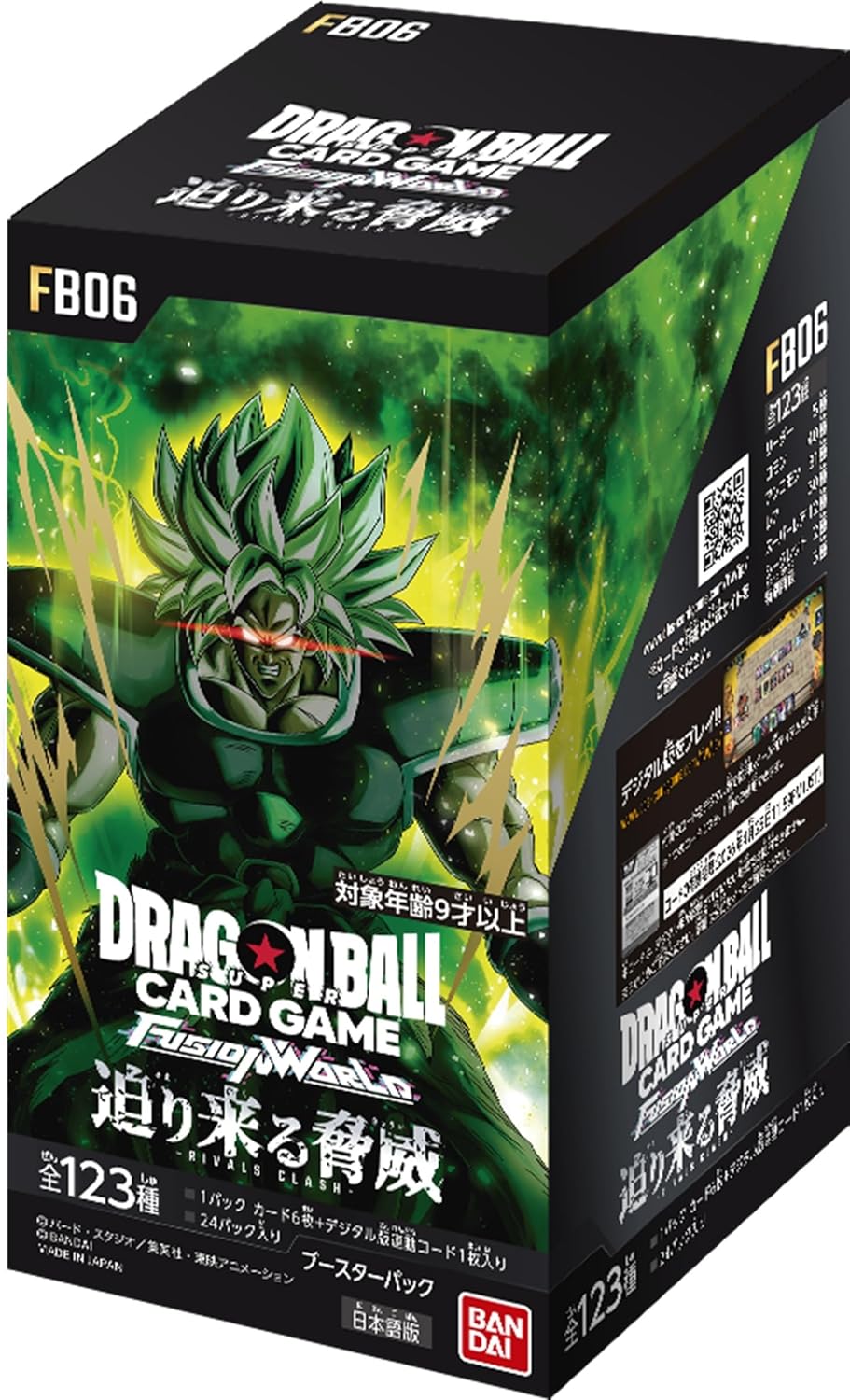
Compare that to a random SR from a mid-cycle set like FB05 Unknown Adventure or FB06 Looming Threat: unless it’s a specific chase card with documented demand, you’re much more likely to spend $80-$150 in grading and shipping fees on a card that graded PSA 10 still only sells for $40-$60. Always price-check the specific card — not just its rarity letter — against recent sold listings before submitting.
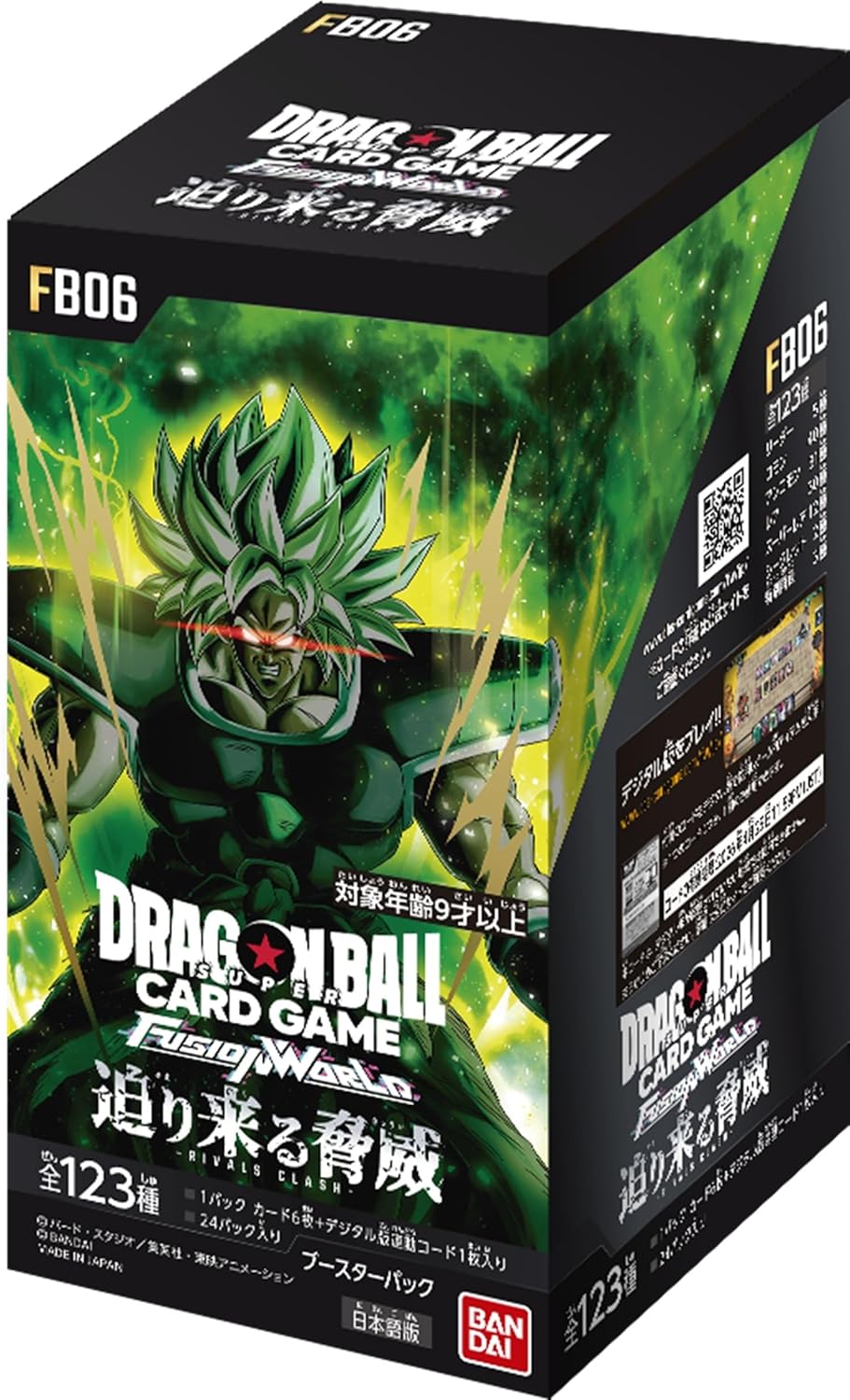
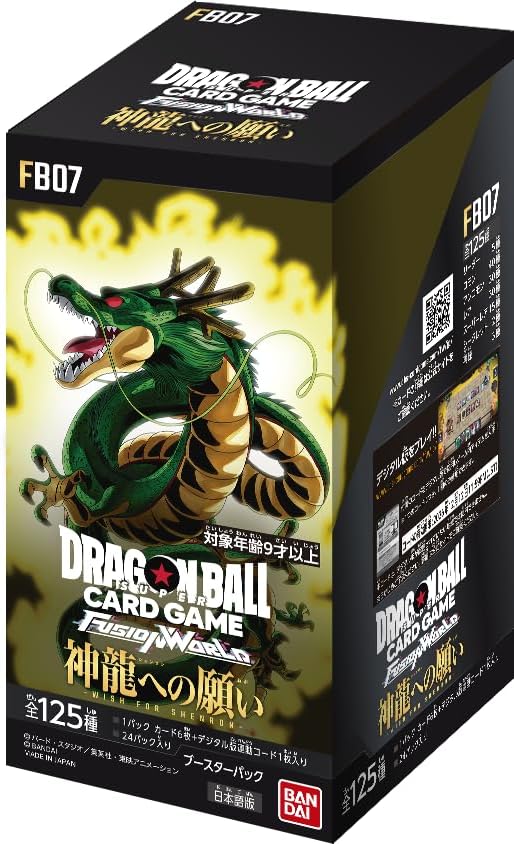
For collectors who’d rather chase a fresh pull than buy an already-graded card off a marketplace, Discovery Japan Mall carries current sealed Fusion World product shipped from Japan, including the FB06 Looming Threat Booster Box and the FB07 Wishes For Shenron Booster Box. Note that FB01 Awakened Pulse itself is out of print and not something this mall (or most retailers) currently stocks sealed — if you want a shot at that specific set’s chase cards, you’re generally buying singles or already-graded copies, which comes with its own counterfeit and reslab risk (more on that in the FAQ below).

Vintage DBZ vs Fusion World: A Different Grading Calculus
It’s worth a quick detour into the original Score Entertainment Dragon Ball Z card game from the early 2000s, since it’s a useful contrast. Those cards are 20+ years old now, and PSA 10 is genuinely rare on them due to period-typical print registration issues and paper yellowing — meaning a realistic grading target on vintage Score cards is often PSA 8 or 9, not 10. Fusion World cards, being newly printed with modern quality control, have a much higher realistic ceiling for Gem Mint, which is exactly why fresh, carefully-handled pulls are the better grading candidates in this game right now compared to hunting down decades-old raw singles hoping for a miracle 10.
Comparison Table: What’s Actually Worth Grading
| Card Type | Typical Raw Price | Worth Grading? | Why |
|---|---|---|---|
| FB01 SCR alt-art chase card | $150-$400+ | Yes | Strong PSA 10 premium, first-set demand |
| FB01/FB0X SR alt-art | $50-$150 | Usually | Depends on specific card demand — check sold listings |
| Mid-set SR (non-chase) | $10-$40 | Rarely | Grading fees often exceed the value gap |
| R / UC / C | Under $5 | No | Grading cost dwarfs card value |
| Leader (L) cards, non-chase | Varies widely | Case by case | Some Leaders see real competitive/collector demand; check current tournament usage |
Frequently Asked Questions
Is it worth grading a Dragon Ball Super Card Game card in 2026?
Only for genuinely rare, high-demand rarities — SPR, SPR_S, and SCR cards that already sell raw for around $50 or more. For anything common or mid-tier, the $17-$80+ per-card grading fee plus shipping usually exceeds any resale premium you’d gain, so it’s a net loss.
Which grading company is best for Dragon Ball cards, PSA, BGS, or CGC?
PSA generally carries the strongest resale recognition and the deepest population/price history for TCG cards, including Fusion World, which matters if you plan to resell. CGC is currently the cheapest entry point and has faster available turnaround than PSA’s cheapest tier. BGS is the pick if you specifically want detailed subgrades (centering, corners, edges, surface) and are chasing a Black Label, but as of August 2026 its cheapest online tiers are temporarily paused, with BGS expecting to reopen them around September 15, 2026 — check current availability before planning around it.
Do I need to grade cards from every Fusion World set?
No. Grading makes the most financial sense for a set’s flagship chase cards (usually the SCR and top SPR alt-arts) and for genuinely first-set or milestone releases like FB01. Mid-cycle sets rarely have enough raw-to-graded price spread to justify the fee on anything below their very top rarity.
How do I avoid buying a fake graded Dragon Ball card online?
Always verify a graded card’s certification number directly on the grading company’s own website (PSA, BGS, or CGC each have a free lookup tool) before paying — a legitimate cert number will show the exact card, grade, and set. Be wary of secondhand marketplace listings with only a photo and no visible or checkable cert number, and be aware that counterfeit slabs (fake cases around real or fake cards) do circulate; buying raw sealed product directly and grading it yourself avoids that risk entirely.
Does rotation or banlist status affect a graded card’s value?
Indirectly, yes. A card’s grade doesn’t change, but if it gets restricted or banned in competitive play, demand from active players can drop even as collector demand for a graded slab stays independent of playability. Since Fusion World is still a relatively young format, check BANDAI’s official banned/restricted card list before assuming a card’s competitive relevance will hold steady long-term.
The Takeaway
Grading a Dragon Ball Fusion World card only makes financial sense when the raw price already justifies it — think FB01-tier SCR and SPR alt-arts, not mid-set commons. If you’re deciding between services, PSA still wins on resale recognition despite the highest wait times, CGC is the budget and speed option right now, and BGS is worth it specifically for subgrade detail once its cheaper tiers reopen. And if you’re chasing fresh pulls to grade instead of buying already-slabbed cards, sealed product bought directly — like the FB08 Proud Warrior Tribe Booster Box or FB02 Fiery Fighting Spirit Booster Box from Discovery Japan Mall — sidesteps the counterfeit-slab risk that comes with buying graded singles secondhand. New to the game entirely? Our Dragon Ball Fusion World Beginner’s Guide covers rules, starter decks, and which sets to buy first.


Related Articles
- Dragon Ball Super Card Game: Original vs. Fusion World
- How to Buy Dragon Ball Fusion World Cards Safely (2026)
- Dragon Ball Fusion World Card Value Myths, Debunked
More Trading Card Game Guides
- PSA vs BGS vs CGC: One Piece Card Game Grading Guide (One Piece Card Game)
- PSA vs. CGC vs. BGS: Pokémon Card Grading Guide (2026) (Pokémon TCG)
- Grading Naruto Cards in 2026: Is It Actually Worth It? (Naruto Card Game)
Comments